
Catering · 11 min read
Gala Dinners in Albania: An Event Catering Field Guide
What we tell planners before they book a room and a menu in Albania: where the good rooms are, what a proper dinner actually costs, and where the night quietly goes wrong.
What’s in this guide
This is not a brochure. It is the conversation we have with planners in the first hour, once a shortlist and a head count are on the table and someone asks the real question. Can we do a proper gala dinner here, and what will it cost.
Short answer: yes, and less than you expect. Albania has grown a serious event-catering layer over the last decade. Tirana has ballrooms that seat 280 for dinner. Berat has wineries at the foot of a mountain. The coast has rooftops that face the Adriatic. The food is good, the wine is better than its reputation, and the bill lands well below Rome or Vienna.
The catch is that the good rooms are few, the great suppliers are fewer, and the gap between a dinner people remember and one they endure is almost always operational. Here is how we think about it, room by room and course by course.
Why Albania rewards a gala dinner
Two things make a country good for a set-piece dinner: it has to be easy to reach, and it has to feel like somewhere. Albania quietly does both.
On reach, Tirana International Airport now takes direct flights from most European hubs. Rome to Tirana is about an hour and ten minutes. Vienna and Munich are both under two hours. For a group flying in from three or four cities on the same afternoon, that tight radius matters more than any single headline fare, because it keeps arrival transfers inside one manageable window rather than spread across a whole evening.
On the sense of place, this is where Albania pulls ahead of the tested incentive destinations. A gala dinner in a Lisbon or Prague ballroom is a fine evening, but delegates have seen the type before. Put the same group in a stone courtyard in Krujë, or on a terrace above the Adriatic in Durres, and the room changes. People take photographs. They ask questions. The destination does part of the hosting for you, which is exactly what you want a location to do on the one night the whole programme is built around.
Then there is the cost gap, and it is real rather than marketing. A plated gala that would clear 180 euros a head in Western Europe sits closer to 90 in Tirana for comparable food and service. That headroom is not an invitation to spend less. It is an invitation to spend the same and get a better night: a live band instead of a playlist, a winemaker in the room, an extra course that actually lands.
The rooms: ballrooms, castles, and coast
Venue choice sets everything else, so we start here and work backwards. In Albania the honest map has three regions.
City ballrooms, for scale and certainty
When the brief is a large plated dinner with a stage and a predictable service, a hotel ballroom in Tirana is the safe centre of gravity. The Illyria Ballroom at the MAK Albania tower is the room most planners end up looking at first: it holds about 280 for a gala dinner and up to 500 theatre-style, with the kitchen, loading and rigging already in place. The Rogner Hotel Tirana is the other reliable name, with its Restaurant Apollonia plus a garden, pool and terraces, which lets you run a drinks reception outdoors and move the dinner inside without leaving the property.
We have staged gala dinners in the Illyria Ballroom more times than in any other single room in the city, and the reason is dull but decisive: nothing surprises you. The power holds, the kitchen turns 280 covers without drama, and the get-out at midnight is quick. For a board dinner or an awards night where the content is the risk, you do not want the venue adding any.
Castles and courtyards, for the night people talk about
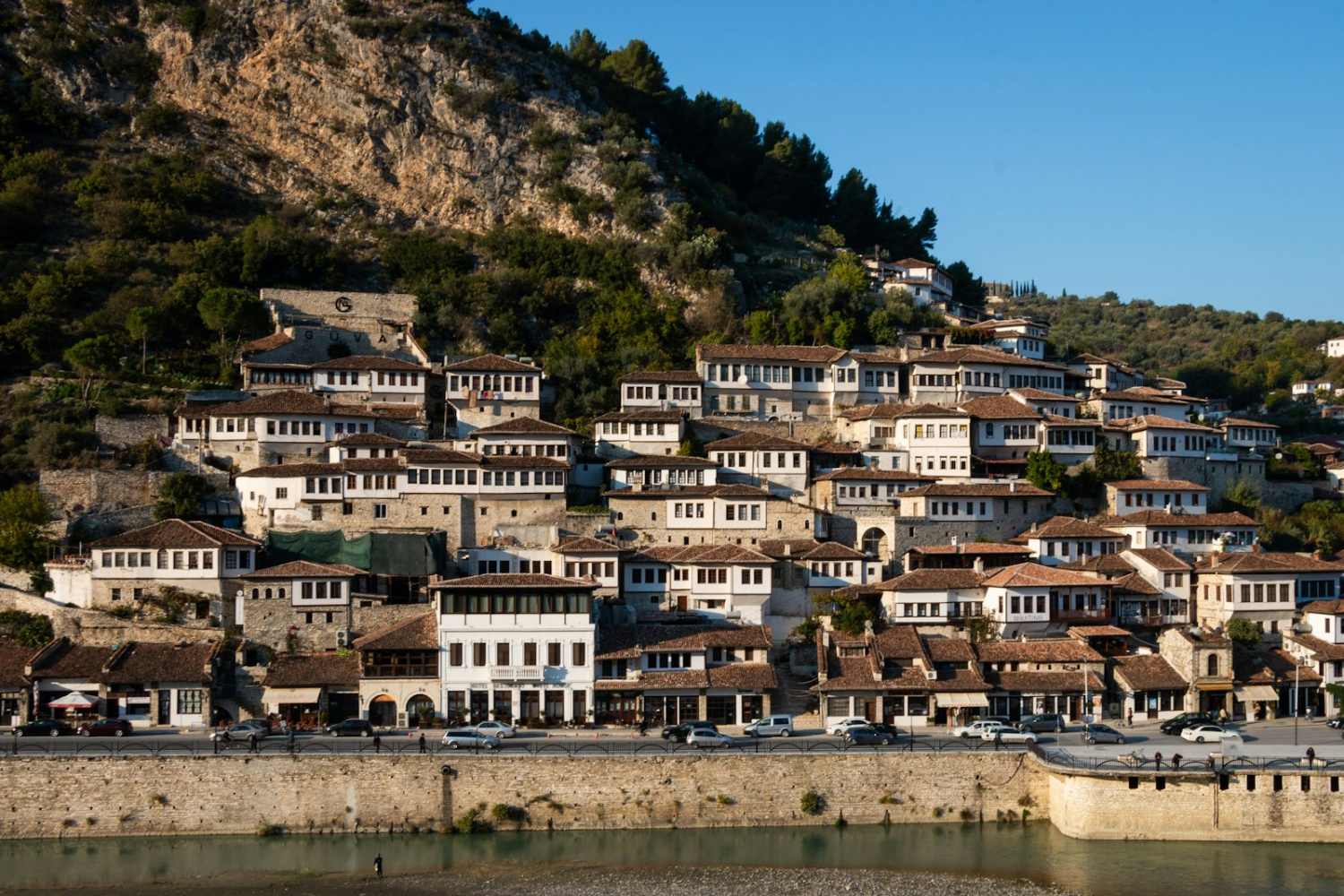
The trade-off flips when the goal is memory rather than certainty. Kruja Castle, half an hour above Tirana, opens its grounds for events through the summer and already runs concerts and outdoor performances, so it is used to crowds after dark. Berat Castle, the inhabited citadel known as the City of a Thousand Windows, gives you stone, candlelight and a view down the Osum valley that no ballroom can match. Rozafa Castle above Shkoder does the same over Lake Shkoder.
None of these is a turnkey venue. They are builds. You bring the kitchen, the power, the furniture and the lighting, and you plan for weather. We have plated a full dinner in a castle courtyard in Kruja for 180 guests, and the evening was worth every extra line on the budget, but it took a site visit, a generator and a wet-weather plan that we hoped never to use. Treat a castle as a production, not a booking.
The coast, for June and September
Durres, Vlore and Sarande give you the Adriatic and Ionian as a backdrop, with rooftops and seafront restaurants that suit a relaxed, warm-evening dinner far better than a formal ballroom. The one hard rule: keep summer galas out of August. The coast in August is hot, fully booked and priced at peak, and the wind on an exposed terrace can undo a plated service. Late May to early July, and all of September, is where a coastal dinner actually works.
What a gala dinner actually costs
Here is the part planners actually came for. The figures below are per head, in euros, for a real corporate gala rather than a wedding, and they reflect what we quote and pay in current market conditions rather than a rate card.
| Setup | What it includes | EUR / head |
|---|---|---|
| 4-star hotel ballroom, plated three-course | Room, service, house beverages | 80 to 100 |
| 4-star hotel, multi-course gala with show | Up to eight courses, entertainment, drinks | 110 to 130 |
| Winery or castle, off-site catering | Venue hire, catered dinner, transfers | 130 to 180 |
| Coastal buyout, premium seafood | Private venue, seafood menu, full bar | 180 to 260 |
| Reference point | Comparable Western European capital | 30 to 50% more |
For a concrete anchor, the Rogner Hotel runs an eight-course gala menu with entertainment and beverages at around 115 euros a head, which tells you the ceiling for a full city-hotel production is lower than most Western planners assume. In mid-market venues, festive multi-course menus run roughly 8,000 to 13,000 lek a person, which is close to 80 to 130 euros depending on the day.
Two lines routinely get missed, and both hurt. The first is off-site power and staffing: a castle or beach build needs a generator, extra kitchen and a higher service ratio than a hotel that already has all three. The second is VAT. Albanian VAT sits at 20%, and for eligible corporate programmes we routinely reclaim it on behalf of the client, which can move the effective cost of a large dinner by a meaningful margin. Ask about it before you sign, not after.
Worth knowing
Budget the transfer, not just the table. The cheapest venue that sits 40 minutes outside the city can cost more once you add coaches, a longer crew day and a later get-out than a slightly pricier room in town. We price the evening end to end before we recommend a room.
Building the menu: Albanian food that travels well
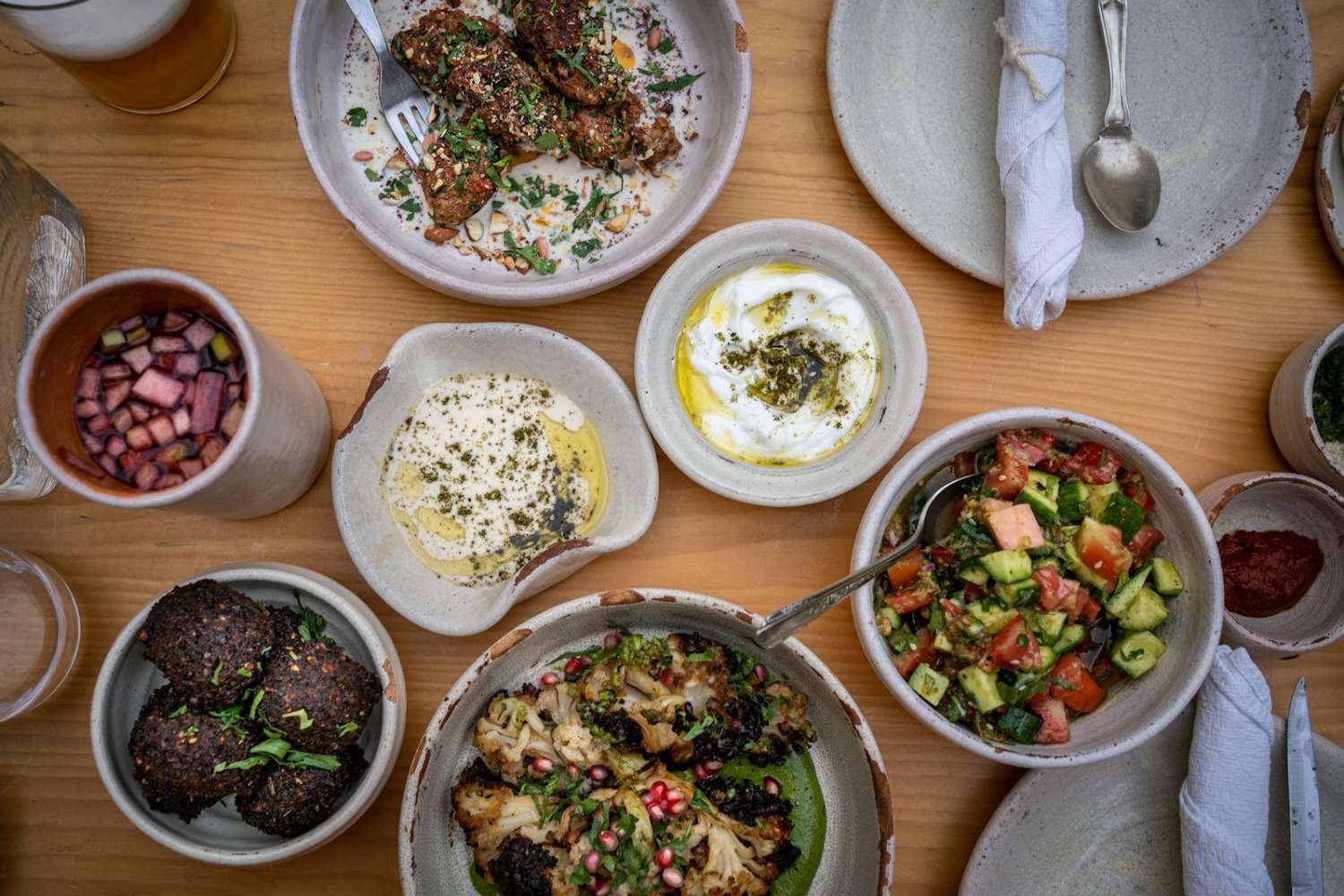
Albanian cooking is built for exactly this kind of night. Much of it is baked or simmered for hours and meant to be shared, which suits banquet service and generous portions rather than fussy plating.
The dish to build around is tave kosi, the national dish: lamb baked under a yogurt and egg topping, tangy and rich. It plates cleanly, it holds temperature across a long service, and it reads as distinctly Albanian to a visiting guest. Around it you have byrek, the filo pie with cheese, spinach or meat, for a reception or a starter; qofte, the herbed meatballs; and speca te mbushur, peppers stuffed with rice and meat. On the coast, swap a course for grilled Adriatic fish or a seafood risotto and let the location do the talking.
Give a visiting group one dish they cannot get at home and one drink they will remember, and the menu has done its job. In Albania that is tave kosi and a glass of raki.
Open with raki, the fruit brandy that Albanians share before a meal, offered alongside a soft alternative for those not drinking. It is a small gesture that signals the group has actually arrived somewhere, not just changed rooms. Brief the kitchen early on dietary needs, because the classic repertoire leans on lamb, dairy and pastry, and a vegetarian or halal count of any size needs planning rather than improvisation on the night.
Wine country as the venue
Albanian wine is the quiet surprise of most programmes, and increasingly it is the venue rather than just the pour. The country grows native grapes that almost no delegate will have tasted: Shesh i Bardhe and Shesh i Zi, Vlosh, Puls, Kallmet.
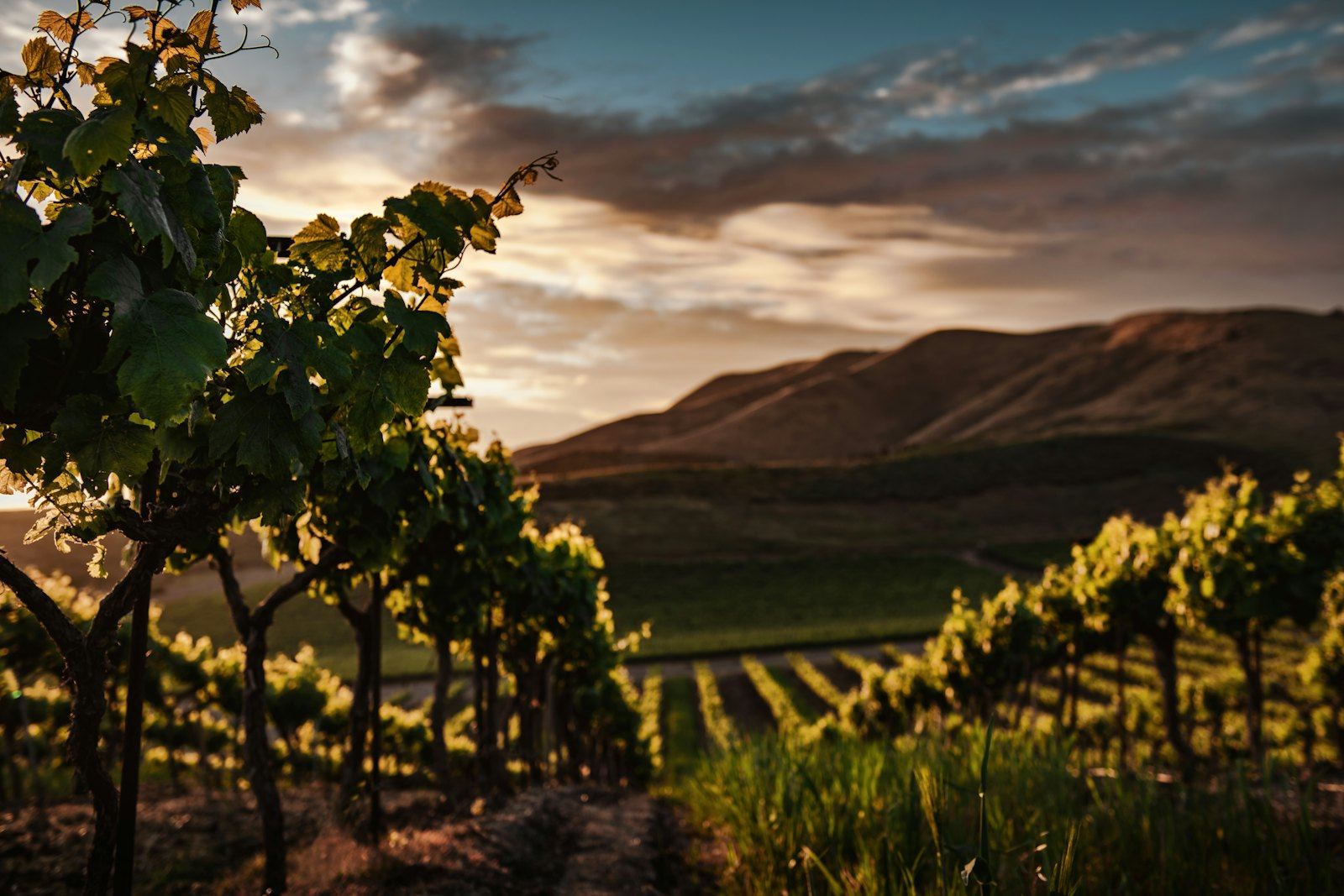
The name to know is Cobo, a family winery founded in 1998 at the foot of Mount Tomorr near Berat, the UNESCO town. They work those native varieties and make a sparkling wine, Shendevere, aged in bottle for 48 months, and they run tours and tastings in English, Italian and Albanian that finish with local cheese and olives. For a group of 40 to 80, a winery dinner there turns a tasting into the whole evening. Closer to the capital, Kantina Kokomani sits between Tirana and Durres and works the Shesh grapes, which makes it an easy half-day for a city-based programme. Kantina Kallmeti, near Lezhe, is the northern option and makes its own raki and olive oil alongside the wine.
Berat is about two hours from Tirana by coach, so a winery gala is a committed evening rather than a quick hop, but it pairs naturally with a slower incentive itinerary. If a wine-country night appeals, our incentive travel programmes are usually where it belongs, built around a day in Berat with the dinner as the anchor.
Where the night goes wrong, and how to hold it
Every gala dinner that fails, fails on the same short list. None of it is glamorous, which is exactly why it gets under-planned.
Transfers. The single biggest variable is getting the group from hotel to venue and back without a gap that kills the mood. A staggered coach plan, a clear last-departure time and a crew member on each vehicle is the difference between a smooth arrival and 40 people standing outside a castle gate. We have moved 280 delegates across the Adriatic corridor and back in a single afternoon, and it only worked because every leg was timed and staffed in advance. Our group transport guide goes deep on this, and for the coach and shuttle side we run our own transportation operation rather than sub-contracting blind.
Power and kitchen off-site. A castle or beach venue has no back-of-house. Every watt and every hot plate arrives on a truck. Under-spec the generator or the field kitchen and the second half of dinner falls apart quietly while the front of house smiles. Spec both for the full cover count plus a margin.
Weather and wind. An exposed terrace is wonderful until the wind picks up over the water and starts lifting linen and flames. Every outdoor gala needs a wet-weather and high-wind plan that can be triggered by a set hour in the afternoon, and a venue that can absorb the whole group indoors if it is called.
Sound and timings. Speeches, awards and a band all compete for the same PA and the same window. Lock the run of show, brief the venue and the AV crew together, and hold a hard cut-off so the kitchen is not plating a hot main course over a keynote. For anything with a stage, this is where a destination manager earns the fee.
FAQs
How much does a gala dinner cost per person in Albania?
Roughly 80 to 100 euros a head for a plated dinner at a 4-star Tirana hotel, 110 to 130 for a multi-course gala with entertainment, and 130 to 180 at a winery or castle once off-site catering and transfers are included. That is about 30 to 50% below Rome or Vienna for comparable food and service.
What is the largest gala dinner venue in Tirana?
The Illyria Ballroom at the MAK Albania tower seats about 280 for a gala dinner and up to 500 theatre-style, with kitchen, loading and rigging in place. For larger numbers we split across adjoining spaces or add a marquee build.
Can you hold a gala dinner in a castle or a winery?
Yes. Kruja and Berat castles host events through the summer, and the Cobo winery near Berat runs group dinners at the foot of Mount Tomorr. These are off-site builds, so budget for catering, power and transfers rather than a simple room hire.
What should be on an Albanian gala menu?
Build around tave kosi, the national dish of lamb baked under yogurt and egg. Add byrek, qofte, stuffed peppers, and coastal seafood, with native wines like Shesh i Bardhe and Shesh i Zi. A raki welcome sets the tone.
Is Albania well connected for international groups?
Yes. Rome to Tirana is about an hour and ten minutes, Vienna and Munich are both under two hours, and direct flights run from most European hubs into Tirana International Airport, which keeps multi-city arrivals inside one transfer window.
When is the best time for a coastal gala dinner?
Late May to early July and September. August on the Adriatic and Ionian coast is hot, fully booked and priced at peak, and the evening wind on an exposed terrace can undo a plated service, so we steer summer galas to June or the shoulder season.
Planning a gala dinner in Albania?
We handle the room, the menu, the wine and the transfers, end to end. Tell us the date and the head count.
One Response